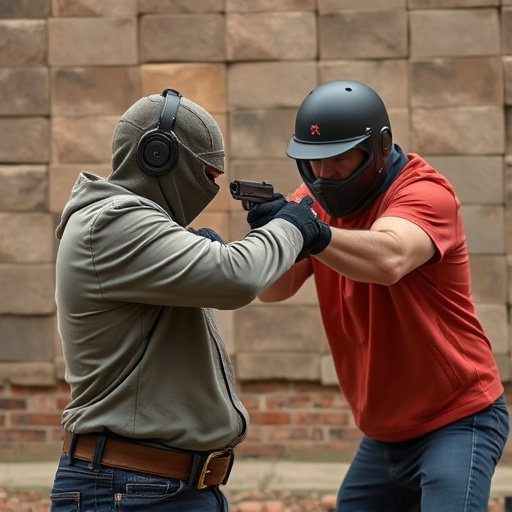
Non-lethal weapon certification is crucial for responsible stun gun ownership, focusing on safety, training, and legal compliance. Trainees learn close range stun gun power techniques, including optimal deployment distance and electrical current impact, to make informed decisions while minimizing risks. Stun guns offer a powerful, non-lethal self-defense option in crowded or dynamic environments, allowing users to protect themselves and others without causing permanent harm. Certification requires researching accredited facilities, enrolling in comprehensive courses, and gaining practical experience with close-range stun gun power, ensuring individuals operate within legal boundaries while prioritizing public safety.
“Unleash your potential for self-defense with a deep dive into non-lethal weapon training certification. In today’s world, understanding and mastering close-range stun gun power can be a game-changer in ensuring personal safety. This comprehensive guide offers an overview of the certification process, detailing the skills and knowledge required to handle non-lethal weapons effectively. From theoretical understanding to practical application, learn how to navigate this path, empowering you with the tools for secure self-defense.”
- Understanding Non-Lethal Weapon Certification: A Comprehensive Overview
- Close Range Stun Gun Power: Unlocking the Potential for Safe Self-Defense
- The Process of Obtaining a Non-Lethal Weapon Training Certificate
Understanding Non-Lethal Weapon Certification: A Comprehensive Overview
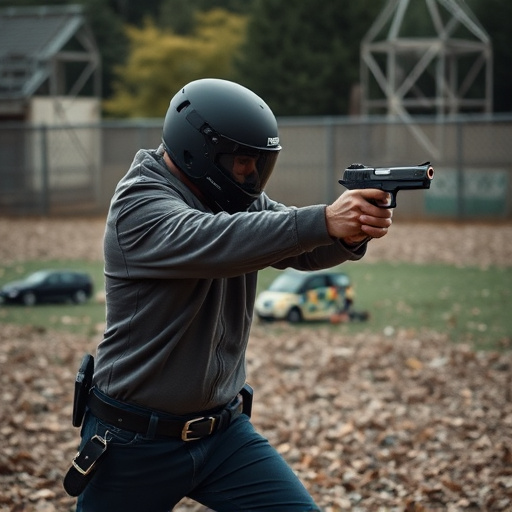
Non-lethal weapon certification is a crucial step for individuals seeking to acquire and use stun guns or other non-fatal force tools responsibly. This certification process ensures that users understand the capabilities and limitations of non-lethal weapons, prioritizing safety and legal compliance. It involves comprehensive training in various aspects, including proper handling, deployment techniques, and de-escalation strategies.
One key focus area is close range stun gun power, where trainees learn about the optimal distance for effective use and the electrical current’s impact on the target. The certification equips individuals with the knowledge to make informed decisions, ensuring they can deploy these tools effectively while minimizing risks and adhering to legal boundaries.
Close Range Stun Gun Power: Unlocking the Potential for Safe Self-Defense
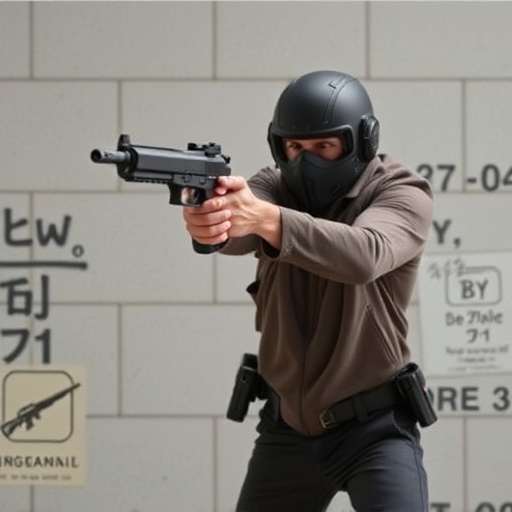
Stun guns, with their close-range power, are transforming self-defense strategies for individuals seeking effective yet non-lethal options. These compact devices emit high-voltage electrical pulses, temporarily incapacitating a threat actor while allowing users to escape or seek help. The close-range aspect is crucial; it ensures that users can deploy the weapon within arm’s length, maximizing its impact without requiring prolonged physical contact.
This technology offers a unique advantage in self-defense scenarios, particularly in crowded or dynamic environments where lethal force might not be justifiable or desired. With proper training and certification, individuals can unlock the potential of close-range stun gun power, gaining confidence and a powerful tool to protect themselves and their loved ones without causing permanent harm.
The Process of Obtaining a Non-Lethal Weapon Training Certificate
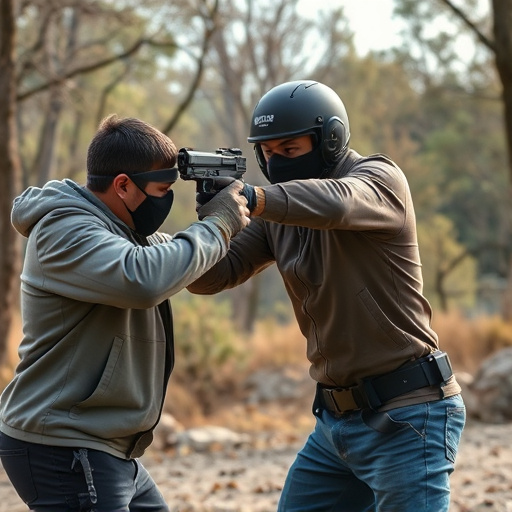
Obtaining a Non-Lethal Weapon Training Certificate involves a structured process designed to equip individuals with the necessary skills and knowledge to handle non-lethal weapons effectively. The journey begins by researching accredited training facilities offering programs aligned with industry standards. Prospective trainees must then enroll in a course that covers a comprehensive range of topics, including weapon handling, safety protocols, and de-escalation techniques.
The core component of this certification process is practical training, focusing on close-range stun gun power and other non-lethal tools. Trainees learn to deploy these devices accurately and safely while minimizing harm to targets. Throughout the program, instructors emphasize the legal implications and ethical considerations surrounding the use of non-lethal force, ensuring graduates are well-prepared to operate within legal boundaries and maintain public safety.
Obtaining a non-lethal weapon training certification, particularly focusing on close range stun gun power, empowers individuals to protect themselves effectively while mitigating harm. By understanding the nuances of this training and its legal implications, you can make informed decisions about self-defense options. Remember, proper certification ensures responsible use, enhancing safety in various scenarios.