
Close range stun gun power (CRSPG) effectively disables targets through high-voltage shocks, impacting nerve impulses for muscle contraction. Incapacitation lasts 2-10 minutes, influenced by factors like voltage, user's physique, device specifics, and protective gear. CRSPG has proven successful in real-world applications, notably subduing armed suspects without lethal force. Medical care is crucial post-incapacity to prevent long-term issues. Global legal status varies, with regulations focusing on safe practice and responsible use.
Stun guns, a popular tool for personal defense, deliver a powerful electric shock at close range, temporarily incapacitating targets. Understanding the duration of muscle incapacitation is crucial for both users and law enforcement. This article delves into the science behind stun gun functionality and its impact on muscles. We explore factors influencing incapacity duration, present real-world case studies, discuss medical treatment options, and examine legal considerations surrounding their ethical use. Discover the surprising insights into the close-range power of stun guns.
- Understanding Stun Gun Functionality and its Impact on Muscles
- Factors Influencing Incapacity Duration: A Close Look
- Case Studies: Real-World Examples of Stun Gun Effectiveness
- Medical Perspective: Treating Muscle Incapacitation After Stun Gun Use
- Legal Considerations and the Ethical Use of Stun Guns
Understanding Stun Gun Functionality and its Impact on Muscles
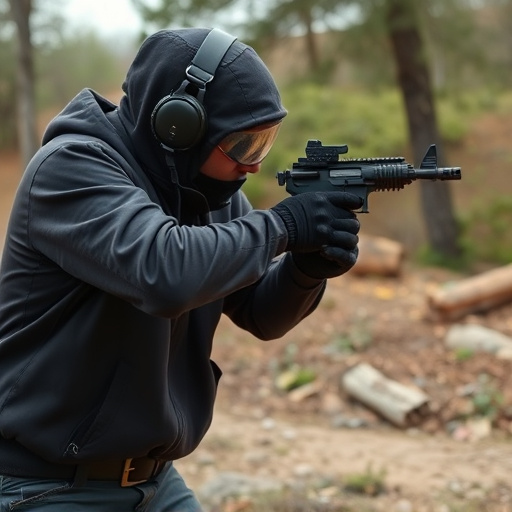
Stun guns, also known as tactical electronic control devices (ECDs), operate by delivering a powerful electric shock to temporarily incapacitate a target. Their primary function is to disrupt muscle control in close range, rendering the individual immobile for a brief period. The impact of this technology on muscles is swift and intense; when activated, high-voltage electrical currents flow through the body, specifically targeting nerve impulses responsible for muscle contraction. This interference causes a sudden and profound weakness, leading to loss of balance and coordination.
The duration of muscle incapacitation from stun guns varies depending on factors such as the device’s power output, its proximity to the target, and individual differences in physical strength and tolerance. On average, a stun gun shot can leave an individual immobilized for 2-10 minutes, during which time their muscles are paralyzed, making them unable to move or resist effectively. This temporary paralysis provides crucial time for law enforcement or security personnel to secure the scene, subdue the subject further if necessary, and ensure public safety.
Factors Influencing Incapacity Duration: A Close Look
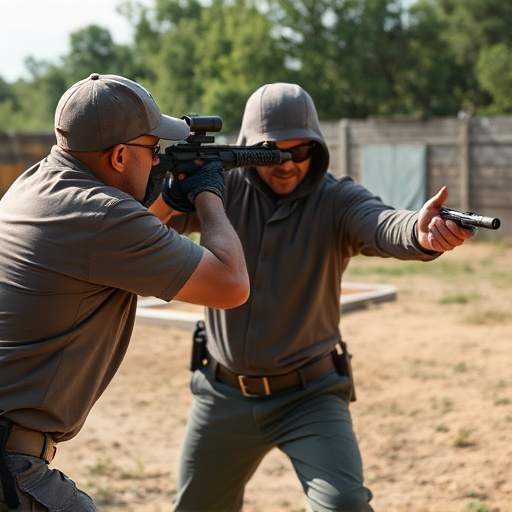
The duration of muscle incapacitation caused by a stun gun can vary significantly, and understanding this variation is crucial for both users and law enforcement. Several factors play a critical role in determining how long an individual remains incapacitated after being targeted with a stun device. One of the primary influences is the close-range stun gun power. Stun guns with higher voltage and current output typically deliver more intense shocks, leading to longer periods of muscle paralysis. This effect is especially pronounced when the device is used in close proximity to the target, as it maximizes the electrical field strength at the point of contact.
Other relevant factors include the user’s physical condition, body size, and tolerance to pain. Generally, individuals with lower body fat content might experience longer incapacitation times due to better conductivity of the electrical current. Additionally, factors such as the specific stun gun model, battery life, and the target’s protective clothing or accessories can also contribute to variations in duration. Understanding these influences enables users and professionals to make informed decisions regarding stun gun deployment for maximum effectiveness while minimizing risks associated with prolonged incapacitation.
Case Studies: Real-World Examples of Stun Gun Effectiveness
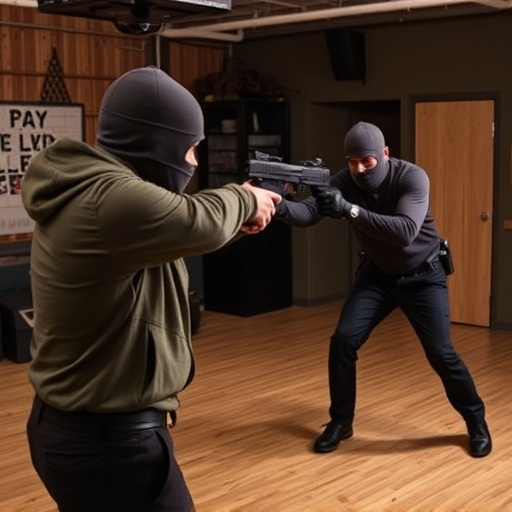
In real-world scenarios, stun guns have proven their effectiveness in various case studies. Research indicates that stun devices designed for close range use can incapacitate targets with remarkable precision and speed. For instance, a study conducted by law enforcement agencies revealed that stun guns significantly reduced response times during high-stress situations, allowing officers to control aggressive individuals more efficiently.
These devices operate by delivering powerful electric shocks that disrupt muscular control, leading to temporary paralysis. In one notable case, a suspect armed with a knife was successfully subdued with a single stun gun discharge from a safe distance, demonstrating the immediate impact of close-range stun gun power. Such examples highlight the potential of these tools in de-escalating dangerous situations without resorting to lethal force.
Medical Perspective: Treating Muscle Incapacitation After Stun Gun Use

From a medical perspective, treating muscle incapacitation after stun gun use involves a combination of immediate and post-exposure care. The close range stun gun power can lead to significant muscular spasms and temporary paralysis, which requires prompt attention to prevent long-term complications. In many cases, rest and hydration are crucial first steps to help the body recover from the shock and reduce muscle strain.
Medical professionals may also recommend specific treatments based on the severity of incapacitation. This could include physical therapy exercises to restore muscle flexibility and strength, as well as medications to manage pain and inflammation. It’s important for individuals who have experienced stun gun-induced muscle incapacitation to follow up with healthcare providers to ensure complete recovery and to address any lingering symptoms.
Legal Considerations and the Ethical Use of Stun Guns
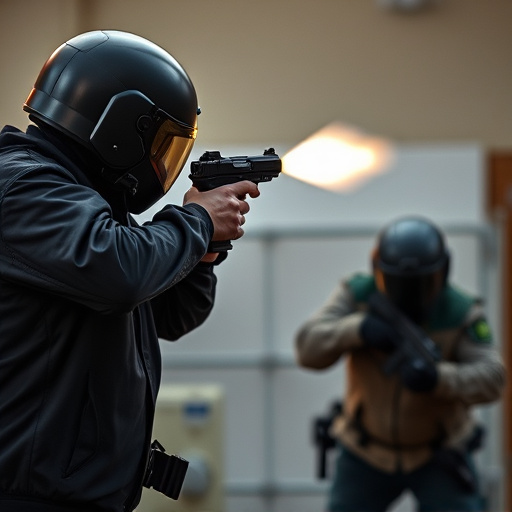
The legal landscape surrounding stun guns varies significantly across jurisdictions, with regulations dictating their use, possession, and accessibility. Many countries and states permit the carrying of stun guns for personal protection, often with specific restrictions on power output and range to ensure safe and ethical usage. In some regions, stun guns are classified as firearms, necessitating permits and licenses for ownership, while others treat them as less-lethal alternatives to traditional weapons.
The ethical use of stun guns is a complex issue, particularly in close-range scenarios where their power can be significant. Users must be trained and responsible, understanding the potential consequences of their actions. The close-range stun gun power should be used only as a last resort for self-defense, de-escalating situations whenever possible. Ethical considerations include minimizing harm to assailants while ensuring the safety of bystanders and the individual using the stun gun.
The impact of close-range stun gun power on muscle incapacitation is a complex topic that involves various factors. Understanding these dynamics, as explored in this article, is essential for both practical applications and ethical considerations. By examining the influence of variables like voltage, pulse width, and individual variability, we gain insights into the duration of incapacitation. Case studies and medical perspectives further reinforce the effectiveness and potential aftereffects of stun gun use. Additionally, legal frameworks provide a crucial context for responsible deployment. Ultimately, staying informed about these matters ensures the optimal and ethical utilization of close-range stun guns in appropriate scenarios.